Foreign policy is often discussed as either strategic maneuvering or an expression of our moral values. However, in the case of humanitarian aid, it is possible to be both. Humanitarian assistance represents the best of America. It helps people in need and responds to global emergencies, saving lives and reducing suffering. It also demonstrates U.S. leadership and generosity. Prioritizing robust and effective U.S. humanitarian assistance is essential to U.S. foreign policy goals and a moral imperative.
First and foremost, effective humanitarian response upholds the sacredness and dignity of human life and supports the world's most vulnerable families and communities in shaping their own future, particularly in their most difficult times. The Catholic Church teaches that wealthier nations have a duty to assist poorer countries and recognizes that international aid is a moral obligation that advances the common good. Central to the Church’s social teaching are respect for human dignity, solidarity and subsidiarity. These principles—common to many religious traditions—can help inform how U.S. international assistance efforts can proceed.
Decades of American leadership have also demonstrated that swift, strategic action prevents today’s crises from spiraling into tomorrow’s instability, and U.S. leadership in supporting humanitarian crises brings unmatched goodwill and strengthens America’s position on the global stage. Humanitarian leadership that is based in strong principles and standards, and deployed strategically, helps advance U.S. objectives while helping people in need.
As the U.S. government (USG) begins a new chapter of humanitarian assistance through the State Department, ensuring that it is effective, adequately funded, efficient, ethical, accountable and locally led will be critical to its success.
Based on decades of experience and partnership, Catholic Relief Services (CRS) has learned that humanitarian assistance is most effective when it is:
1. Aligned with global and American standards of excellence
At its core, humanitarian assistance should save lives and alleviate suffering, while upholding and restoring the dignity of those who are affected by the crisis. As laid out in the Core Humanitarian Principles and global standards, humanitarian action must be committed to certain basic ideas:
These principles are rooted in international humanitarian law and are central to global norms of aid response. They are designed to ensure aid optimally meets the assistance and protection needs of affected populations, and there is a long tradition of American support for their adherence.
2. Adequately and appropriately funded
Humanitarian response must have adequate resources to be effective. In particular, International Humanitarian Assistance (IHA) and Food for Peace Title II funds are critical to meeting lifesaving needs. These funding sources allow the U.S. government to provide in-kind and market-based assistance to people in crises with food, water, nutrition, health care, shelter, and additional basic needs support.
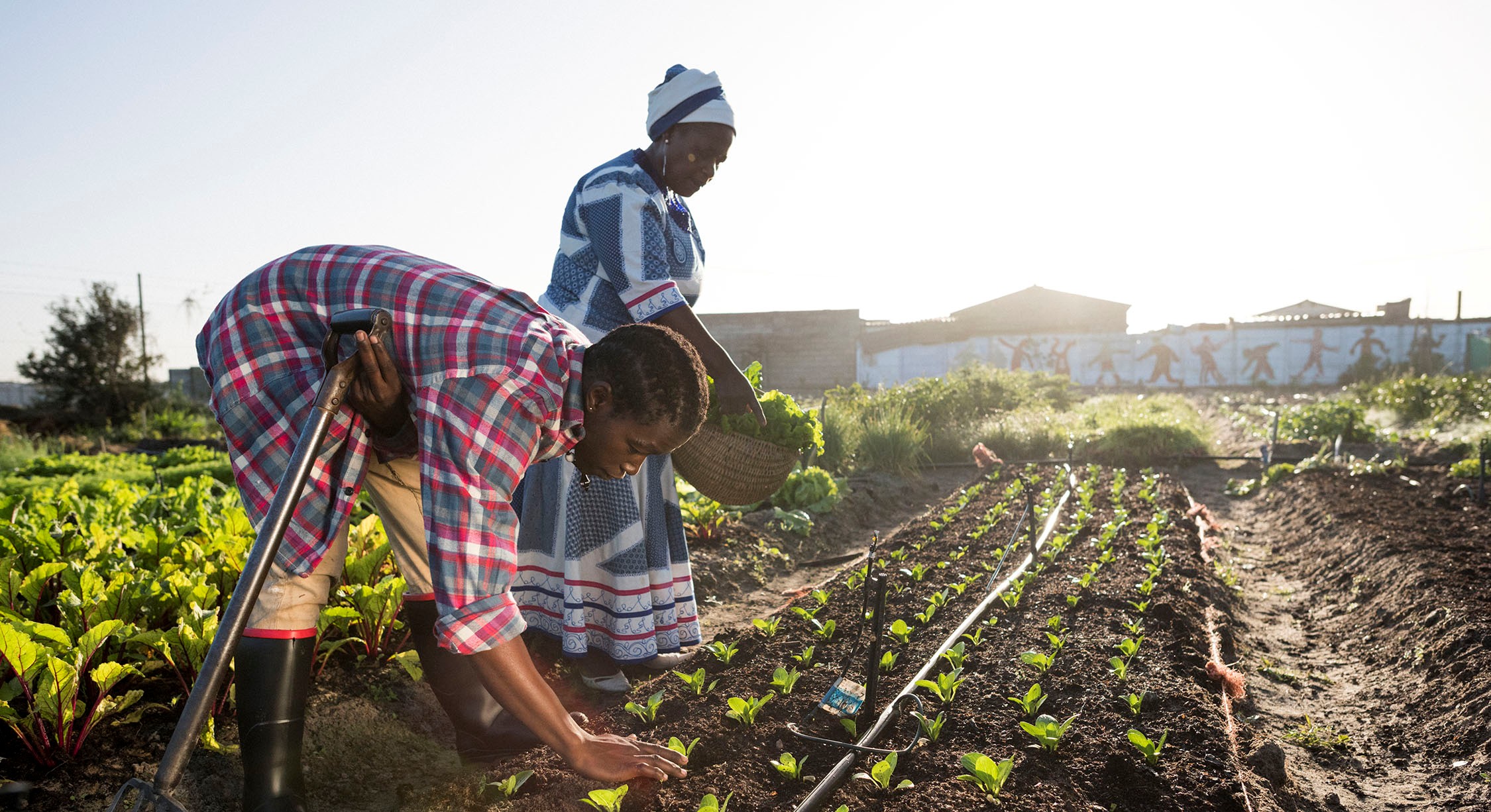
These funds can also work with communities to recover from crises and prevent future humanitarian need. For example, providing safe learning environments for children in refugee camps, or activities to support agricultural recovery in communities through access to seeds or fertilizer, can help meet their families’ food and income needs again and transition off emergency aid. Beyond specific funding accounts, humanitarian assistance should be able to utilize a wide range of “tools in the toolbox” to allow for contextualized responses that reach as many people as effectively and efficiently as possible. This usually includes using some mix of U.S. commodities, cash, vouchers, and/or local and regional procurement.
In addition to the quantity of funding, mechanisms need to be agile. In the past, procurement, contracting and awarding, modifications, payment, and adaptation of awards could be burdensome and slow. In addition, while large private organizations are able to pre-finance some activities, this is not the case for smaller and local responders.
Funding for humanitarian assistance should allow for rapid and flexible responses and be simplified to promote locally led responses. There are effective, proven mechanisms to do this, and we are encouraged by the recent uptake of approaches such as:
3. Equipped with strong systems of oversight
Ensuring the American people’s trust in aid requires strong accountability, transparency in program procurement and implementation and effective communication about its impact. This requires U.S. aid agencies to allocate funding for monitoring, community feedback mechanisms, and strategic evaluations of programs.
Oversight systems must also uphold participant dignity and privacy through strong data protection standards. When humanitarian response involves the collection of participant data for monitoring or accountability purposes, every effort must be made to safeguard this information and reduce the risks to impacted communities.
4. Implemented by effective partners, prioritizing and advancing local leadership
Civil society organizations that can ensure effective, efficient and sustainable program implementation are critical partners for the U.S. Government (USG). To ensure implementers can continue to play this crucial role, the USG must:
5. Committed to protecting the dignity of all aid program participants
Ensuring humanitarian programs recognize, protect and elevate the dignity of their participants will strengthen their quality and effectiveness. Putting dignity at the center, can ensure that aid’s impact is not just about siloed sectoral results but also anchored in the improvement of vulnerable people’s lives. When humanitarian projects intentionally incorporate measures that ensure respect for participants’ dignity into activity design, systems, processes, staff training and norms, it can lead to increased utilization of services, adherence and impacts. This can be done by first recognizing that all people have inherent dignity that can be elevated or diminished and that programming can contribute to acknowledging and respecting that value through its implementation and activities. In practice, this can involve practical considerations like ensuring protected waiting areas, shade, drinking water, and sanitation facilities for people waiting to receive emergency aid. Dignity can also form the cornerstone of an emergency response sectoral such CRS’ Safe and Dignified Homes shelter approach. Using this approach, CRS implements shelter programs that uphold the dignity of displaced families by supporting end-to-end housing needs, from emergency shelter immediately after displacement to transitional support to long-term reconstruction; including ensuring access to safe sanitation as part of shelter support; and designing shelter solutions together with communities and local authorities. Protecting human dignity also contributes to stability by building trust in local systems. In so doing, humanitarian programs can play a role in fostering positive relationships between a donor country and residents of countries receiving assistance.
Effective humanitarian assistance saves lives and promotes peace, justice, security, and human dignity. As U.S. assistance enters a new phase, there is an opportunity to build a more effective operating model. This model should be rooted in the moral imperative and hold close to the values and humanitarian principles to ensure it most effectively supports those in need.