/Photos courtesy of N'weti
When Mozambique and the United States signed a landmark bilateral health cooperation agreement in December 2025, it was the result of negotiations and input from more than the two governments. Behind the scenes, civil society organizations were pushing hard to make sure the deal would work for ordinary Mozambicans, and Denise Namburete was one of them.
Denise is the founder and Executive Director of N'weti, a Mozambican nonprofit dedicated to improving public health through communication, advocacy, and accountability. For over two decades, she has worked on health communication, fiscal accountability, and policy advocacy in Mozambique, including leading the civil society campaign that exposed and challenged the country's billion-dollar “hidden debt” scandal. When the consultation process for the bilateral global health Memorandum of Understanding (MoU) opened, she brought that experience of bridging the gap between policy commitments and on-the-ground reality.
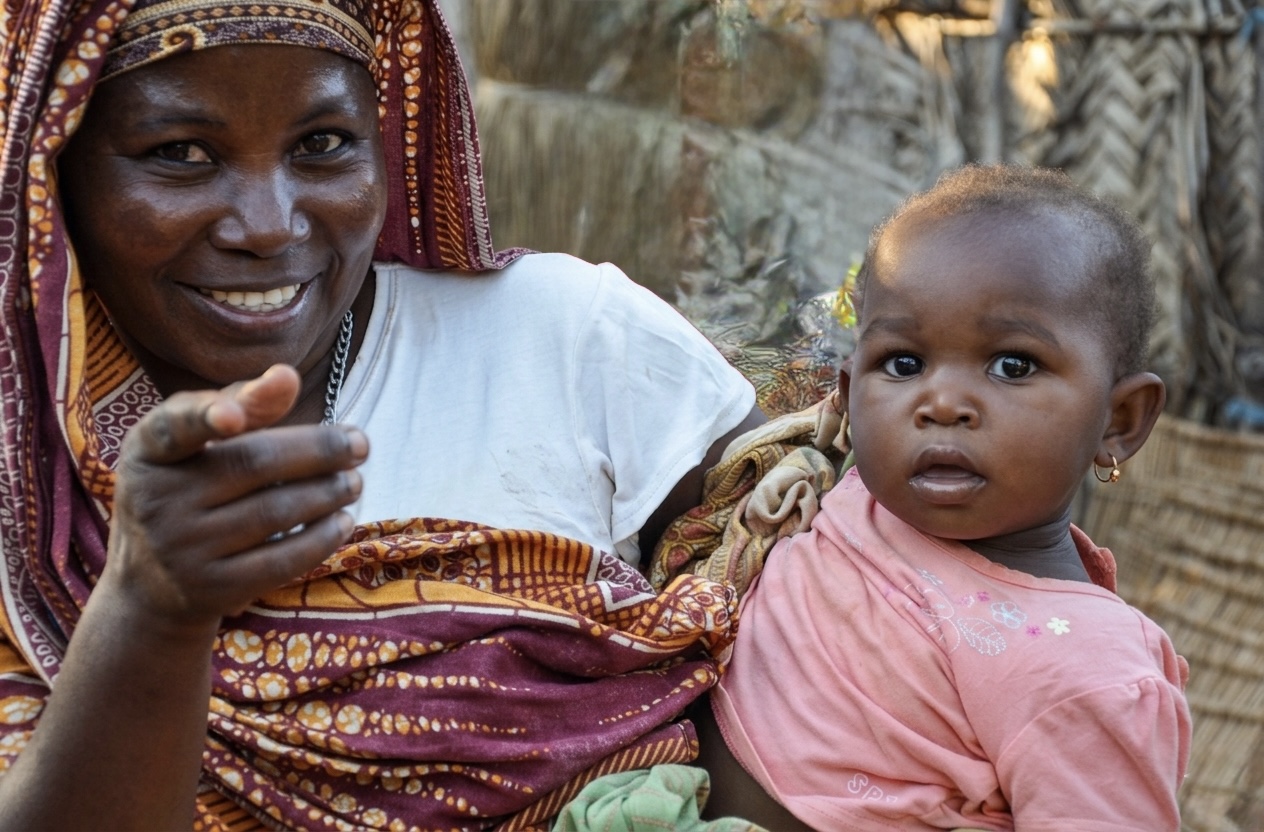
The MoU represented a meaningful shift. For years, U.S. health funding through agencies like the President's Emergency Plan for AIDS Relief (PEPFAR) and the United States Agency for International Development (USAID) had flowed outside of Mozambique's national budget, a model that raised questions about sustainability and local ownership. The new agreement proposed channeling funds through government systems, aiming to both achieve its objectives and to strengthen existing Mozambican health institutions. Denise and her team welcomed the direction, however, having spent years tracking how health funding moves and where it disappears, they read the fine print closely. The timeline to move to on-budget financing was not clearly spelled out in the MoU, including all of the reforms needed to make this potential shift to on-budget funding work. N’weti noted that the MoU continued to focus narrowly on a limited set of diseases rather than strengthening the broader health system.
N'weti submitted 15 detailed recommendations to address these and other gaps, knowing that success would require the watchful eye of civil society. Some of their concerns were practical. The agreement aimed to distribute laboratory supplies through the government's supply chain but made no provisions to improve it - the same one audits had repeatedly flagged for problems. N'weti called for that to be fixed. They also resisted the MoU's plan to hire new staff solely to investigate medicine theft, noting that the General Health Inspectorate already exists for this purpose and simply requires proper training and resources.
Other recommendations focused on the people most affected by the health system. Denise noted that the agreement's outcome metrics left out community HIV services, psychosocial support, and the lived experience of people living with HIV, reducing a complex human reality to clinical data points. She also advocated for Mozambique's community health workers, known as Agentes Polivalentes de Saúde (APS), to be included in the agreement's provisions for frontline health workers and formally integrated into the state payroll.
N'weti raised harder questions too. The MoU proposed a 25-year data-sharing arrangement between the two governments, prompting N'weti to question it's implications for Mozambican sovereignty and whether the terms genuinely serve the country's interest. N'weti also questioned whether the government had the financial capacity to fulfill its co-investment commitments and whether the Ministry of Finance had approved the agreement was finalized. When Denise found a confidentiality clause that would have limited public access to the MoU's contents, she challenged it directly, pointing out that it conflicted with Mozambique's Access to Information Law.
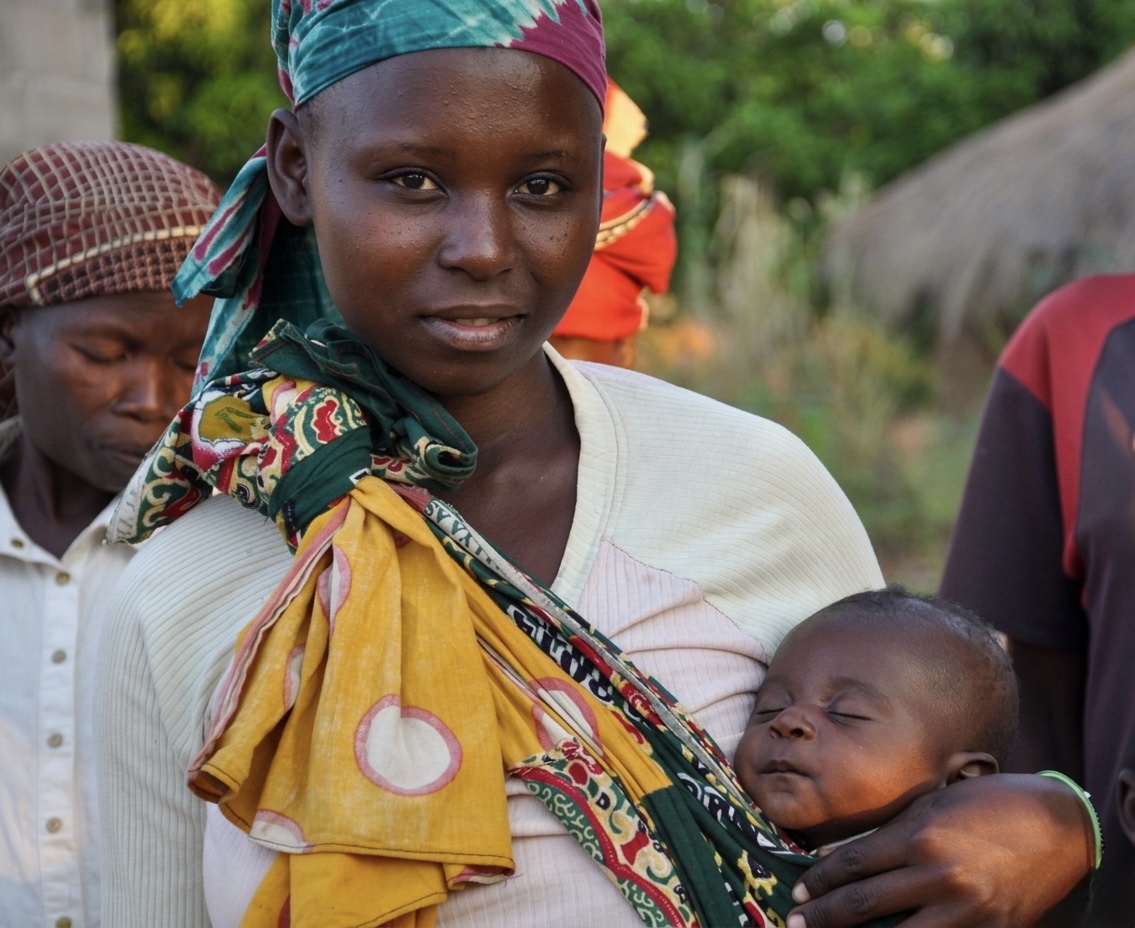
A total of six of N'weti’s 15 recommendations made it into the final version of the agreement. The Public Health Emergency Operations Centers, crucial for outbreak response, will be strengthened, building on research N’weti conducted after COVID-19. The Central Medical Stores, long plagued by stockouts that leave health facilities without essential medicines, will be reformed to improve efficiency and transparency by 2030 - reflecting advocacy N’weti has pursued since 2013. The General Health Inspectorate was formally designated as the lead body for combating medicine theft, replacing the proposal to hire additional personnel for this role. Community health workers were not only included in the final text but assigned a central role, with over 1,800 APS set to be integrated into the state payroll. Co-investment provisions were clarified, including explicit penalties for government default, and the confidentiality clause was revised to allow access to MoU information upon request, ensuring compliance with Mozambican law. While questions remain about the overall financing of global health in Mozambique, N’weti’s contributions strengthened the MoU considerably.
For Denise, scrutinizing international agreements is an extension of the same accountability work she has pursued throughout her career, from exposing government scandals to advocating for Mozambican access to universal, equitable and quality public services over 20 years. Securing six recommendations in a binding international agreement represents a significant step forward, while ongoing oversight to ensure both governments implement it effectively will be the longer-term effort.
The moral of Denise’s story is that multi-stakeholder participation strengthens the final product. Notably, however, the power of N’weti and Denise’s experience - and all the ways N’weti helped to strengthen the MoU - has been an exception in the bilateral country agreements thus far. The U.S. government is leaving it up to partner governments to engage and fortunately Mozambique was open to civil society inputs. Participation helps to improve programs, which ultimately means better health outcomes for people. This lesson learned about broad participation and its application to the next set of country MoUs may literally be worth its weight in gold.
RECOMMENDATIONS
The U.S. government can do its part for Mozambique and other countries by:
# # #
About MFAN:
The Modernizing Foreign Assistance Network (MFAN) is a bipartisan coalition of international development practitioners, policy advocates, and experts committed to making U.S. foreign assistance more effective, accountable, and results-driven.
For media inquiries, please reach out to Tod Preston, MFAN Executive Director, at Tod.Preston@modernizeaid.net